

Top 5 Features You Should Expect from a Modern Merchant Dashboard
Running a business today means handling more than just sales — it’s about managing payments, tracking data, and understanding your customers. A modern merchant dashboard does exactly that. It gives business owners a clear overview of everything happening in real time, helping them make faster, smarter decisions. In this article, we’ll explore the five essential features you should expect from a merchant dashboard that’s built for modern businesses in Malaysia, and why these tools are becoming indispensable for MSMEs.
The Shift Towards Smarter Business Management
For many MSMEs in Malaysia, digitalisation has gone from an option to a necessity. With rising adoption of cashless transactions and initiatives like E-Invoicing in Malaysia, business owners are increasingly looking for systems that not only process payments but also give them valuable insights.
Older systems often require juggling between spreadsheets, multiple logins, and manual reconciliation – all of which slow things down. A modern merchant dashboard streamlines these processes, combining everything into one central hub that’s both intuitive and powerful.
Let’s explore what separates a modern dashboard from the outdated tools of the past.
1. Real-Time Payment Tracking
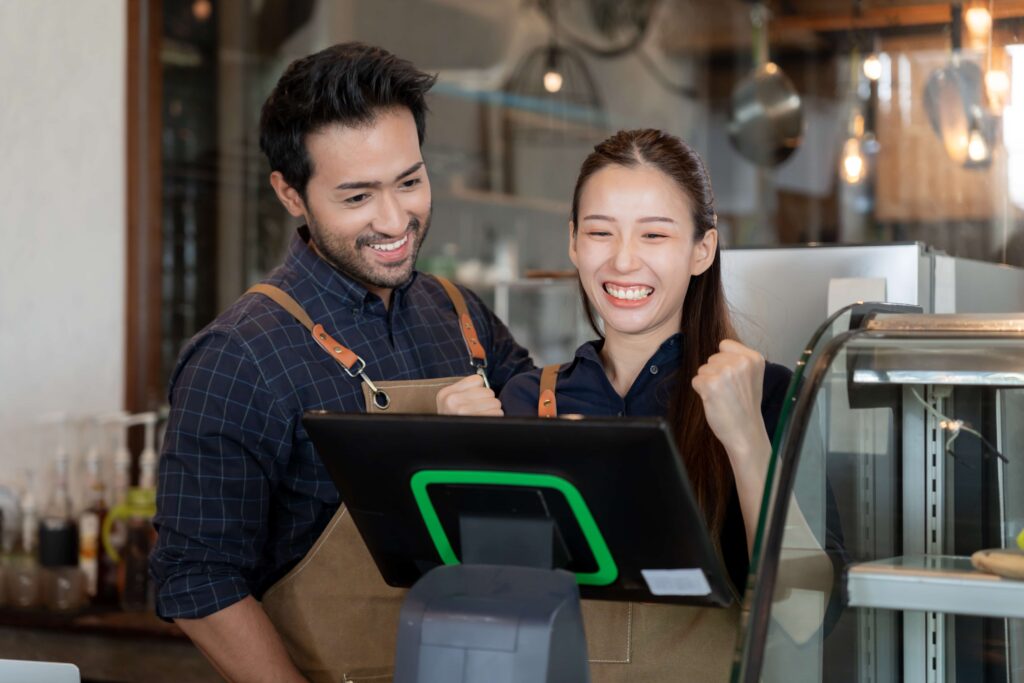
In today’s fast-paced retail and service landscape, waiting until the end of the day to check your sales is no longer practical. One of the core strengths of a modern merchant dashboard is real-time payment tracking.
This feature allows you to:
-
View every transaction as it happens — whether it’s via QR payment, DuitNow instant transfer, or ewallet in Malaysia.
-
Identify any payment issues immediately.
-
Monitor multiple outlets or branches in one view.
Real-time visibility helps MSMEs stay in control and detect anomalies early, which is especially useful for businesses managing multiple payment terminals.
2. Integrated E-Invoicing and Reporting Tools
As E-Invoicing in Malaysia becomes more widely implemented, MSMEs are encouraged to adopt tools that simplify compliance. Dashboards with built-in E-Invoicing capabilities allow you to automatically generate, send, and store invoices that meet government standards — without extra effort.
In addition, smart reporting tools can:
-
Summarise your daily, weekly, or monthly performance.
-
Provide insights into top-selling products and customer trends.
-
Export clean financial reports for easy sharing with accountants or auditors.
This integration doesn’t just save time — it also helps ensure your business stays compliant while maintaining transparency.
3. Centralised Control for Multiple Outlets
If you’re managing more than one branch or operating both online and offline, having a unified system is critical. A modern merchant dashboard consolidates all data — from sales and inventory to customer behaviour — across locations.
With this centralisation, business owners can:
-
Compare outlet performance instantly.
-
Adjust stock or pricing in real time.
-
View consolidated financial data without manual compilation.
It also reduces errors caused by mismatched records and eliminates the need to log in to multiple systems, making management smoother and more efficient.
4. Customisable Analytics and Insights
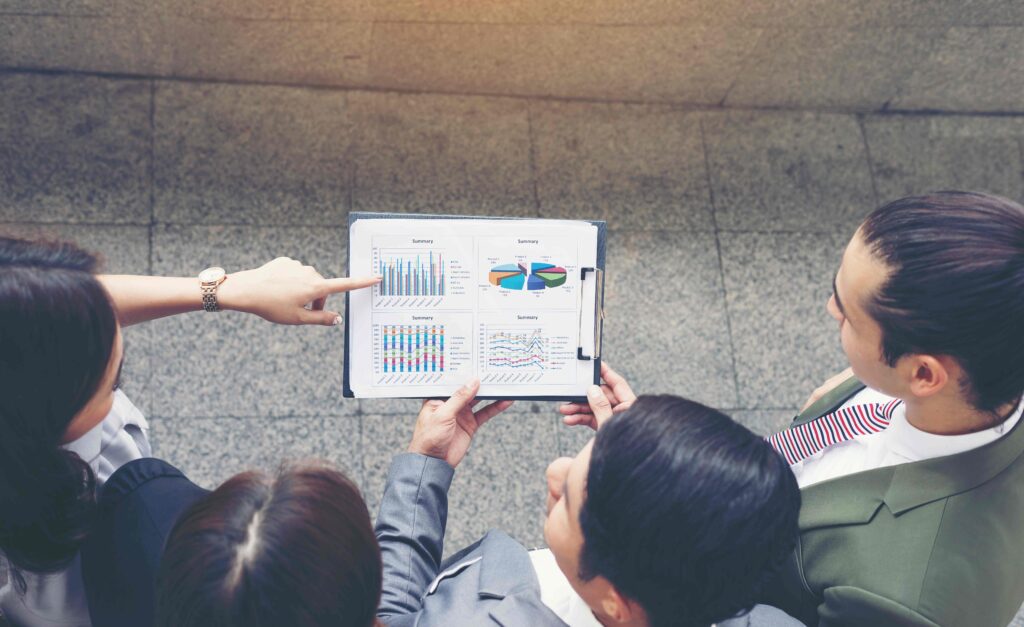
Data is only useful when it’s easy to understand. That’s why many MSMEs in Malaysia are turning to dashboards that visualise data through charts and analytics.
A modern system doesn’t just show raw figures — it highlights trends. You can track performance over time, compare sales across different periods, and forecast future demand based on data patterns.
Some dashboards even allow you to customise reports to show metrics that matter most to your business, such as average transaction value or repeat customer rate. This level of personalisation turns everyday numbers into actionable insights.
5. Secure Access and Role Management
Security is a growing concern in digital transactions. A modern merchant dashboard prioritises data protection and controlled access.
Key features include:
-
Role-based permissions, so employees only access what’s relevant to their tasks.
-
Encrypted connections to protect sensitive customer and business data.
-
Audit trails to track user activity within the system.
For MSMEs, this ensures accountability without compromising efficiency. Even as your team grows, you can maintain control over financial and operational data with confidence.

Quick Checklist: Does Your Dashboard Have These Features?
| Feature | Why It Matters |
|---|---|
| Real-time payment tracking | Enables instant visibility of transactions |
| E-Invoicing integration | Supports compliance and saves time |
| Centralised outlet control | Simplifies multi-location management |
| Customisable analytics | Helps with informed decision-making |
| Secure role management | Protects data and ensures accountability |
If your current system lacks any of these, it may be time to explore a solution that aligns with your growing needs.
Common Questions About Modern Merchant Dashboards
1. What exactly is a modern merchant dashboard?
It’s an online platform that consolidates all your payment, sales, and customer data in one place – giving MSMEs a clear overview of their business performance.
2. Can I use it with my existing POS system?
Most modern dashboards are designed for easy integration. In Malaysia, many payment solution providers offer systems that work with or without an existing POS.
3. Is it suitable for small businesses?
Absolutely. The goal of a modern merchant dashboard is to simplify operations for businesses of all sizes, including MSMEs with limited staff or resources.
4. How does it help with compliance?
Dashboards with E-Invoicing features automatically generate compliant digital invoices, making it easier to stay aligned with local tax requirements.
5. What should I look for when choosing one?
Focus on reliability, local support, integration flexibility, and security – these factors ensure the system will scale with your business.
The Takeaway: Smarter Tools for Smarter Businesses
A modern merchant dashboard is no longer just an add-on — it’s becoming the backbone of how MSMEs in Malaysia operate efficiently. From real-time insights to integrated E-Invoicing, these features not only make daily operations smoother but also position your business for sustainable growth.
If you’re ready to explore how the right tools can help you manage payments, sales, and reporting more effectively, visit paidchain.my to learn more about solutions built for Malaysia’s evolving business landscape.