

The Future of eWallet in Malaysia and the Shift Towards Integrated Payment Solutions
Cashless payments are no longer just a convenience for Malaysian consumers—they are becoming a baseline expectation. From QR codes at kopitiams to card terminals at retail counters, businesses are navigating a more complex payment landscape than ever before. This article looks at how eWallet in Malaysia is evolving, why standalone tools are starting to fall short, and how integrated systems can help small business owners manage payments, records, and compliance more effectively. If you’re looking for a payment setup that does more than accept money, this guide will help you understand where the market is heading and how to prepare.
From convenience to expectation in everyday transactions
A few years ago, accepting an eWallet was seen as a bonus. Today, many customers in Malaysia expect to scan and pay without thinking twice. This shift is driven by lifestyle changes, government initiatives, and the rapid growth of mobile-first spending habits.
For small businesses, this creates a new reality. Accepting cash alone can feel limiting, while juggling multiple QR codes, terminals, and reports can quickly become overwhelming. The conversation is no longer about whether to accept cashless payments, but how to manage them efficiently as volumes grow and requirements become more structured.
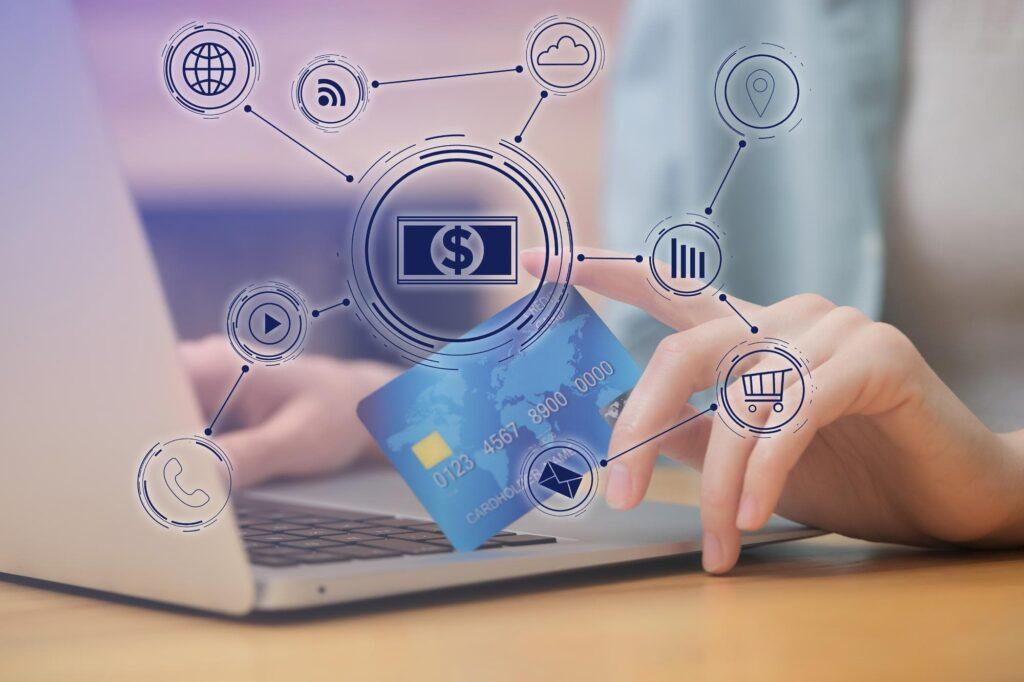
Understanding how the eWallet landscape is changing
At its core, eWallet in Malaysia started as a simple stored-value tool—customers topped up, scanned a code, and paid. Over time, these wallets became part of a broader ecosystem that includes loyalty programmes, instalment features, and links to bank accounts.
What’s changing now is the expectation on the merchant side. Businesses are increasingly required to:
-
Track transactions accurately
-
Reconcile payments across different channels
-
Prepare proper records for accounting and tax purposes
As cashless adoption matures, eWallets are no longer operating in isolation. They are becoming one component within wider digital payments Malaysia ecosystems that prioritise visibility, traceability, and integration.
Why integration matters more for Malaysian SMEs
For many small business owners, the pain point isn’t accepting payments—it’s managing what happens after the payment is made. When eWallets, card terminals, and invoicing systems operate separately, daily operations can become fragmented.
An integrated approach brings several practical benefits:
-
Clearer reporting: All transactions are recorded in one system instead of multiple dashboards
-
Easier reconciliation: Less time matching payments at the end of the day or month
-
Better compliance readiness: Digital records support tax and regulatory requirements in Malaysia
This is where integrated payment solutions start to make sense, especially for businesses that want to grow without increasing administrative workload.
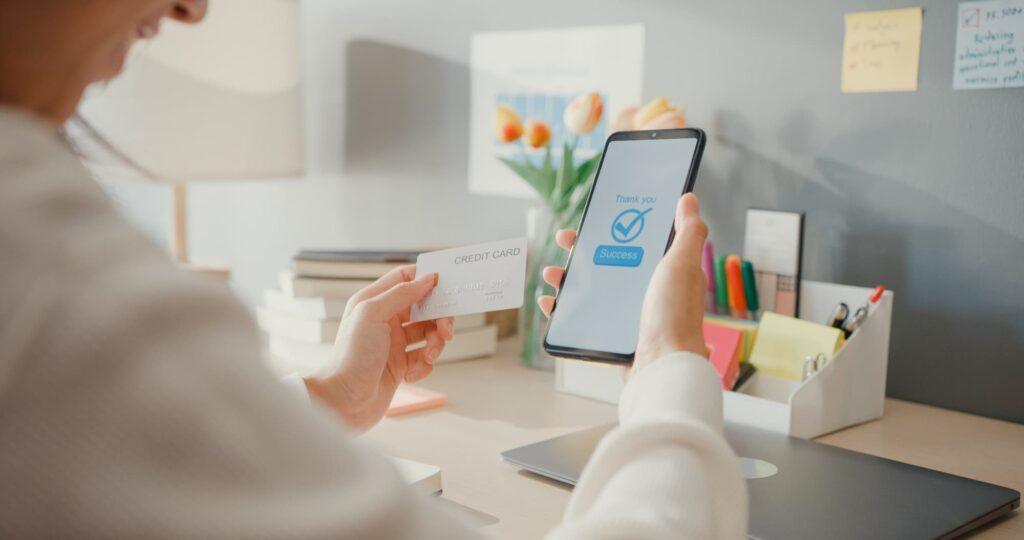
Addressing common concerns about “all-in-one” systems
Some business owners hesitate when they hear about integrated platforms. A few common concerns come up repeatedly.
“It sounds complicated to set up.”
Modern systems are designed to work with existing workflows, whether you already use a POS or not.
“What if I don’t need everything?”
Integration doesn’t mean complexity. It means having features available when you need them, rather than adding new tools later.
“Will it lock me into one payment method?”
Most integrated setups are built to support multiple payment types, including cards and eWallets, under one reporting structure.
Understanding these points helps demystify why eWallet in Malaysia is increasingly discussed alongside broader business systems, not as a standalone tool.
What an integrated setup looks like in practice
Imagine a small retail business in Malaysia that accepts QR payments, card transactions, and issues invoices to corporate customers. Instead of checking three different platforms, the owner can:
-
View all transactions in a single dashboard
-
Generate invoices directly from completed payments
-
Export reports for accounting or audit purposes
This kind of setup reduces errors and saves time, especially during peak periods or month-end closing. As compliance requirements around invoicing and reporting become more structured, integration moves from “nice to have” to operationally important.

Frequently asked questions from business owners
Is eWallet in Malaysia still growing, or has it peaked?
Usage continues to grow, especially as more services and everyday purchases move cashless. What’s changing is the focus on better backend management for merchants.
Do integrated systems only make sense for large businesses?
No. Many small and medium enterprises benefit the most because integration reduces manual work and simplifies daily operations.
Will customers notice a difference if I change my payment setup?
From the customer’s perspective, payments remain quick and familiar. The main improvements happen behind the scenes for the business owner.
How does this relate to compliance in Malaysia?
Integrated records make it easier to prepare documentation and stay aligned with local requirements as regulations evolve.
Looking ahead: preparing your business for what’s next
The future of eWallet in Malaysia isn’t just about more users—it’s about smarter systems behind each transaction. As customer expectations rise and regulatory frameworks become clearer, businesses that rely on disconnected tools may find it harder to keep up.
By considering integrated payment solutions early, small business owners can reduce operational friction and build a more resilient setup for the years ahead. If you’re exploring ways to streamline payments, invoicing, and reporting in one place, learn more at www.paidchain.my and see how an integrated approach can support your business journey.