
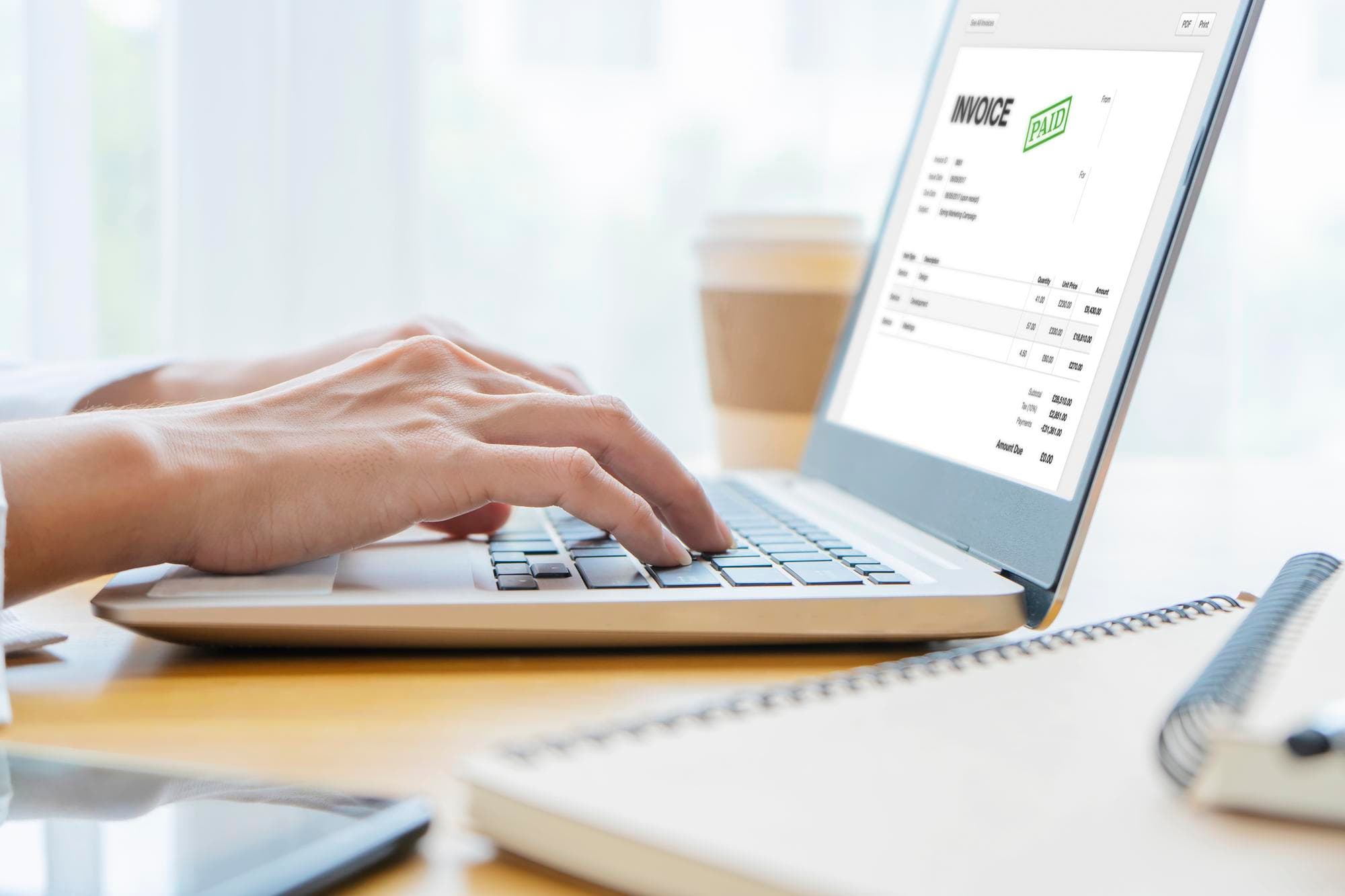
E-Invoicing in Malaysia: Common Questions Answered for Business Owners
As regulatory requirements continue to evolve, many small business owners are trying to understand how e-invoicing affects their daily operations. This article addresses the most common questions surrounding E-Invoicing in Malaysia, with a clear focus on compliance, practicality, and what business owners need to prepare for. From understanding why the shift matters to learning how to get started without disrupting existing processes, this guide is designed to help you make informed decisions. Whether you issue a handful of invoices or manage high transaction volumes, this overview will help clarify what lies ahead and how to stay compliant.
Why businesses are paying closer attention to e-invoicing now
In recent years, tax authorities worldwide have moved towards digital reporting to improve transparency and efficiency. In Malaysia, this shift has brought e-invoicing into sharper focus for businesses of all sizes. Many small business owners are concerned about compliance, system changes, and whether they are ready for mandatory requirements.
For businesses that have relied on manual invoices or basic accounting tools, the change may feel sudden. However, understanding the intent behind the policy helps clarify why early preparation can reduce future operational stress.
Understanding the basics before getting started
At its core, E-Invoicing in Malaysia refers to the electronic generation, submission, and storage of invoice data in a format recognised by the tax authority. Instead of issuing invoices purely as PDFs or paper documents, businesses are required to transmit structured invoice data digitally.
This does not mean every business needs a complex setup. The key is ensuring that invoice data meets required standards and can be submitted accurately and on time. An approved E-Invoice system typically supports this by automating data formatting, validation, and submission.
Why this matters for businesses operating in Malaysia
For businesses operating in Malaysia, e-invoicing is more than a compliance exercise. It directly affects how invoices are issued, recorded, and audited. Proper implementation can help:
-
Reduce manual data entry and human error
-
Improve record accuracy for tax reporting
-
Shorten reconciliation and audit processes
-
Increase confidence during tax reviews
More importantly, non-compliance may expose businesses to penalties or administrative complications, making early adoption a practical risk management decision.
Clearing up common misconceptions
One common myth is that e-invoicing only applies to large corporations. In reality, E-Invoicing in Malaysia applies progressively to businesses of different sizes, including small and medium enterprises.
Another misconception is that businesses must overhaul their entire accounting process. In practice, many solutions are designed to integrate with existing workflows, allowing businesses to transition gradually rather than all at once. A well-designed digital invoicing system can support compliance without disrupting daily operations.
Practical steps to prepare your business
Before implementation, it helps to assess your current invoicing process. Ask yourself:
-
How are invoices currently created and stored?
-
Are invoice details consistent and structured?
-
Can your current tools support data export or integration?
From there, choosing an E-Invoice system that aligns with your transaction volume and operational needs becomes easier. Look for solutions that offer clear reporting, reliable submission tracking, and local regulatory support.
Frequently asked questions from business owners
What is E-Invoicing in Malaysia and who needs to comply?
It refers to the mandatory electronic submission of invoice data to the tax authority. Over time, most registered businesses will be required to comply based on the implementation timeline.
Do I need to change my accounting software immediately?
Not necessarily. Many businesses adopt solutions that work alongside existing systems, reducing the need for immediate replacement.
Is e-invoicing only about tax reporting?
While tax compliance is a major driver, e-invoicing also improves internal record-keeping and financial visibility.
How does LHDN fit into the process?
LHDN sets the technical and compliance requirements that businesses must follow when submitting e-invoice data.
Final thoughts on preparing with confidence
Adopting E-Invoicing in Malaysia is ultimately about building a more structured and compliant invoicing process. For small business owners, the key is starting early, understanding the requirements, and choosing tools that support both compliance and daily operations. A thoughtful approach today can help avoid rushed decisions later.
If you are exploring practical ways to implement e-invoicing while maintaining flexibility in your payment and invoicing processes, learn more at www.paidchain.my.