
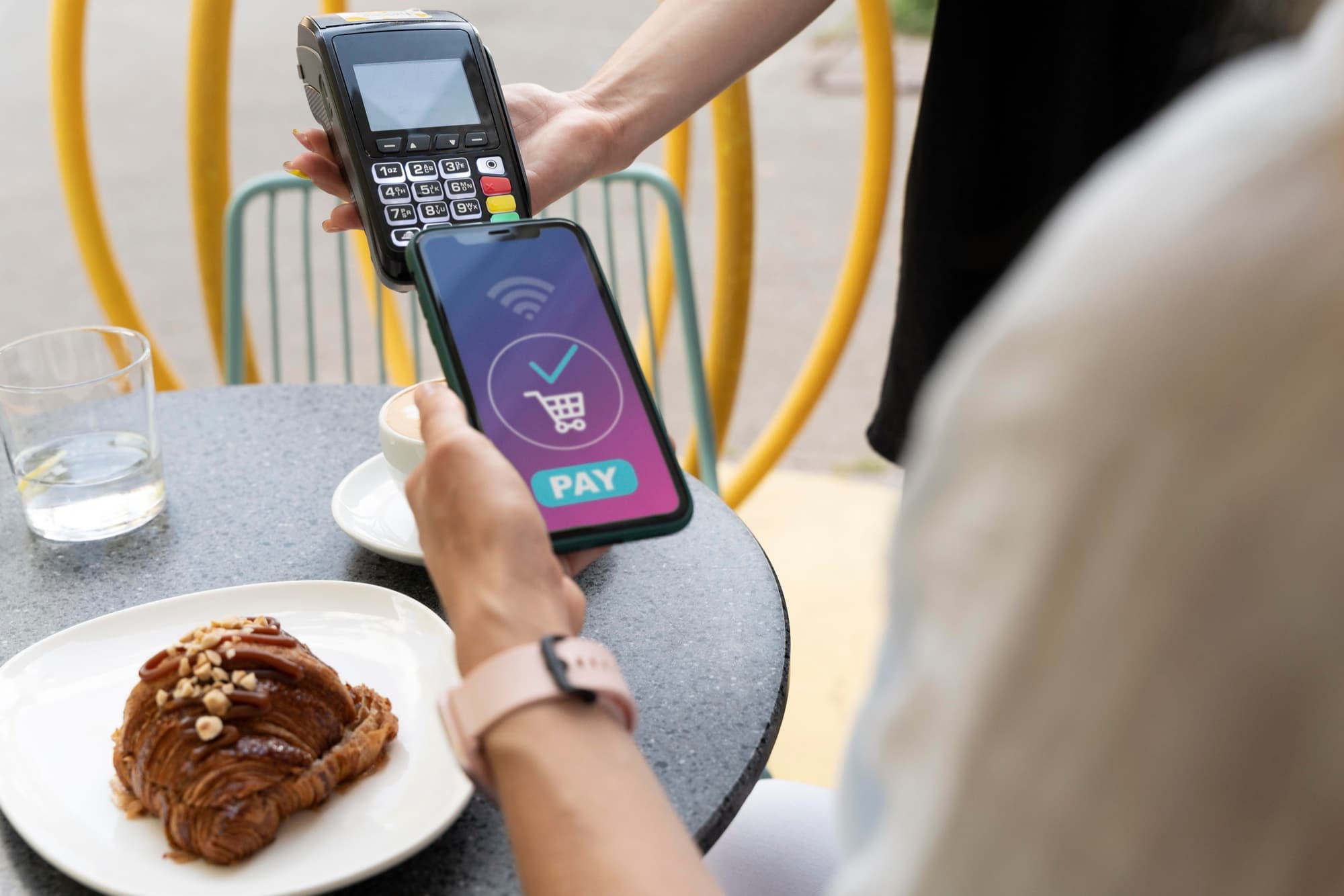
Choosing the Right Payment Solutions for Your Business Operations
For small business owners, selecting the right payment setup is no longer just about accepting cards. Today, it’s about efficiency, visibility, and staying compliant as regulations evolve. This guide explores how Payment Solutions can support daily operations, from handling transactions to integrating invoicing and reporting. You’ll learn what to prioritise, common misconceptions to avoid, and how local requirements in Malaysia influence your decision. Whether you run a retail outlet or a service-based business, this article helps you understand what a truly all-in-one solution looks like—and how it can simplify the way your business operates.
The challenge many small businesses face today
Running a business in Malaysia often means juggling multiple systems—one for card payments, another for invoicing, and yet another for reporting. Over time, this fragmentation creates inefficiencies:
-
Manual reconciliation between systems
-
Limited visibility over daily transactions
-
Higher risk of errors when reporting financial data
As customer expectations shift towards cashless experiences and regulators introduce new digital requirements, relying on disconnected tools becomes harder to justify.
Why the right setup matters locally
Malaysia’s business environment is moving quickly towards structured digital processes. From card acceptance to QR-based transactions, digital payments Malaysia is now a baseline expectation rather than a differentiator. At the same time, regulatory updates mean businesses must be more precise with documentation and records.
Choosing Payment Solutions that align with local practices helps businesses:
-
Stay prepared for regulatory changes
-
Reduce administrative workload
-
Maintain accurate transaction records without extra effort
This is especially important for small business owners who may not have dedicated finance teams.
Understanding what “all-in-one” really means
Not all platforms that claim to be comprehensive truly are. A practical approach is to look beyond surface features and focus on how systems work together.
An effective Payment Solutions setup should cover:
-
Multiple payment methods in a single flow
-
Built-in invoicing that connects directly to transactions
-
Centralised reporting for better oversight
This integration reduces the need to export data between systems and lowers the chance of discrepancies during audits or reporting cycles.
From transactions to compliance: what to prioritise
Before committing to a provider, it helps to think about implementation in real operational terms. Here’s a simple checklist to guide your evaluation:
-
Compatibility: Works with or without an existing POS system
-
Scalability: Supports growth without needing a system overhaul
-
Compliance readiness: Supports E-Invoicing Compliance in Malaysia
-
Support: Local assistance when issues arise
Focusing on these factors ensures your payment infrastructure supports both day-to-day needs and long-term requirements.
Clearing up common misconceptions
Some small business owners delay upgrading because of a few common assumptions:
-
“Integrated systems are only for large enterprises.”
In reality, many tools today are designed specifically for SMEs. -
“Compliance tools are complicated to manage.”
When invoicing and payments are connected, compliance becomes part of the workflow—not an extra task. -
“Switching systems will disrupt operations.”
With proper onboarding, transitions can be phased and minimally disruptive.
Understanding these points helps businesses make more confident decisions.
Frequently asked questions
What should small businesses look for in Payment Solutions?
Look for systems that combine payment acceptance, invoicing, and reporting in one platform, with local compliance support and flexibility to grow.
Are digital payment systems mandatory in Malaysia?
While not all businesses are required to go fully cashless, customer expectations and regulatory trends make digital options increasingly important.
Can a single system really replace multiple tools?
Yes—when payments, invoices, and transaction records are integrated, many standalone tools become unnecessary.
How long does it take to implement a new solution?
Implementation timelines vary, but many providers offer onboarding support to ensure a smooth transition.
Final thoughts on building a smarter payment foundation
Selecting the right Payment Solutions is less about chasing features and more about building a foundation that supports how your business actually operates. For small business owners, an integrated approach can reduce complexity, improve accuracy, and free up time to focus on growth.
If you’re exploring options that combine payments, invoicing, and compliance in one streamlined system, learn more at www.paidchain.my.