
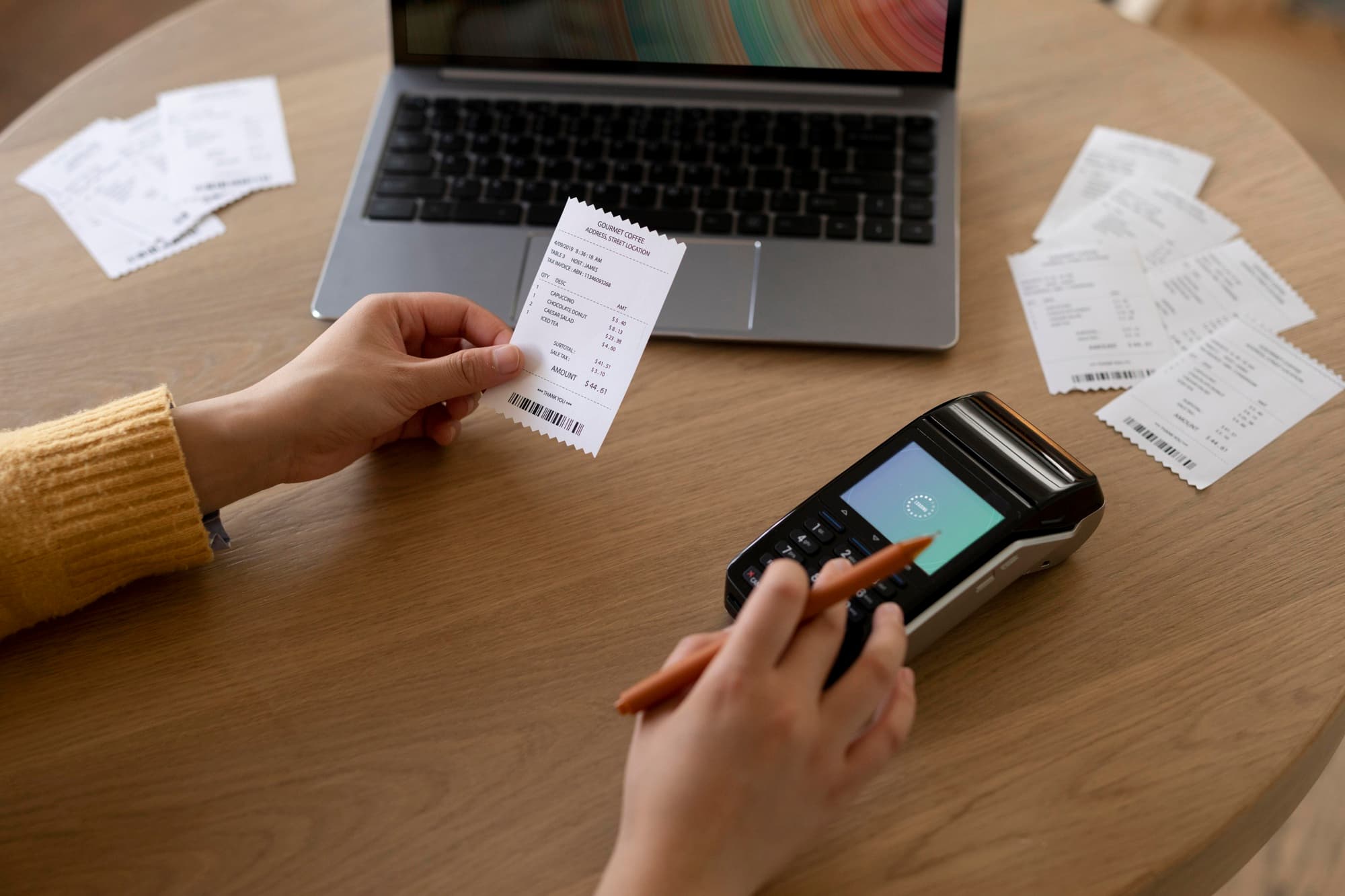
From Manual Invoices to E-Invoicing in Malaysia: What Changes for Businesses
Many small businesses are now reassessing how they issue invoices as regulatory requirements evolve across Malaysia. Moving away from manual processes is no longer just about efficiency—it is about compliance, accuracy, and long-term operational clarity. This article explains what actually changes when businesses transition from paper or spreadsheet-based invoices to structured electronic invoicing. It covers why the shift matters locally, what business owners should expect in practice, common concerns, and practical steps to get ready. If you are looking for clarity on how mandatory e-invoicing affects your daily operations, this guide walks you through the essentials in a straightforward way.
The shift away from manual invoicing is no longer optional
For years, many small businesses relied on handwritten invoices, Excel templates, or basic accounting software. These methods worked—until reporting requirements became more structured and timelines more stringent. With E-Invoicing in Malaysia, invoicing is no longer a back-office task that can be handled casually or retrospectively.
Manual invoices are prone to issues such as:
-
Inconsistent formats across customers
-
Data entry errors that affect tax reporting
-
Delays in record keeping and reconciliation
The move towards electronic invoicing reflects a wider trend of digitisation in tax administration, where invoice data is expected to be accurate, traceable, and available in near real time.
Why this change matters specifically for businesses in Malaysia
In Malaysia, e-invoicing is closely tied to tax compliance and transparency. The Inland Revenue Board of Malaysia, formally known as Lembaga Hasil Dalam Negeri, requires businesses to submit invoice data in a prescribed digital format.
This means businesses can no longer treat invoicing as a standalone document. Instead, invoices become structured data that feeds directly into reporting and audit processes. For small business owners, the key implication is simple: systems and workflows must align with regulatory expectations, not just internal preferences.
When implemented properly, E-Invoicing in Malaysia reduces last-minute reporting stress and lowers the risk of non-compliance due to missing or inconsistent records.
What actually changes when you move to e-invoicing
The most noticeable change is not the invoice itself, but how information is handled behind the scenes. Instead of issuing static documents, businesses use an E-Invoice system that generates invoices with standardised fields required for submission and validation.
Key changes include:
-
Invoice data is structured, not free-form
-
Required fields must be completed before issuance
-
Records are stored digitally and consistently
-
Submission to authorities becomes part of the workflow
Rather than preparing invoices first and “sorting out” compliance later, compliance becomes embedded in the invoicing process from the start.
Clearing up common concerns among small business owners
It is common for business owners to worry that e-invoicing will be complicated or disruptive. In practice, most concerns stem from misunderstandings rather than actual limitations.
Some common myths include:
-
“E-invoicing is only for large corporations.”
In reality, small and medium-sized businesses are a key focus of E-Invoicing in Malaysia, as they form a large part of the economy. -
“I need advanced technical knowledge to use it.”
Modern platforms are designed for non-technical users, often with guided steps and automated validation. -
“My current process will no longer work at all.”
Existing workflows can usually be adapted, especially when using a flexible digital invoicing system that integrates with payments or POS setups.
How businesses can prepare without overhauling everything at once
Before making any changes, it helps to take a structured approach. Preparation does not mean replacing all systems overnight.
Start with these practical steps:
-
Review how invoices are currently created and stored
-
Identify which data fields are consistently missing or inconsistent
-
Assess whether your invoicing process connects to payments and records
-
Choose a solution that supports compliance without adding unnecessary complexity
Many businesses find that aligning invoicing with payment collection simplifies operations, especially when invoice issuance, payment confirmation, and record keeping are connected within one platform.
A quick readiness checklist for e-invoicing
Use this simple checklist to assess your current position:
-
Invoices are generated digitally, not handwritten
-
Customer and transaction data is consistently recorded
-
Records can be retrieved easily for reporting
-
Your system supports structured invoice data
-
You are aware of submission requirements under E-Invoicing in Malaysia
If several of these points are missing, it may be time to review your invoicing setup more closely.
Frequently asked questions
Is E-Invoicing in Malaysia mandatory for small businesses?
Yes, implementation is being rolled out in phases, and small businesses are included. Understanding timelines and requirements early helps avoid rushed decisions later.
Do I need a completely new accounting system?
Not necessarily. Some businesses integrate e-invoicing into existing processes, depending on system compatibility.
Will e-invoicing increase my workload?
Initially, there may be an adjustment period. Over time, automation often reduces manual work and corrections.
Can e-invoicing work with my payment process?
Many modern solutions are designed to connect invoicing and payments, reducing duplication and reconciliation work.
Final thoughts: preparing early makes the transition easier
The move from manual invoices to electronic invoicing is as much about mindset as it is about systems. E-Invoicing in Malaysia encourages businesses to treat invoicing as a structured, compliant process rather than a simple administrative task.
For small business owners, early preparation provides more choice, less pressure, and better control over how invoicing fits into daily operations. If you are exploring solutions that support mandatory e-invoicing while keeping processes straightforward, learn more at https://www.paidchain.my.