

How E-Invoicing in Malaysia Works and Why It Matters for SMEs
As Malaysia moves towards mandatory electronic invoicing, many small business owners are trying to understand what this change really means for their day-to-day operations. This article breaks down the essentials of e-invoicing in a clear, practical way—covering why it matters, how it works, and what businesses should prepare for. From compliance with LHDN to improving internal processes, you’ll learn how the right system can reduce manual work, support accurate reporting, and fit naturally into existing payment workflows.
The shift towards digital invoicing for small businesses
Across Malaysia, invoicing is no longer just an administrative task—it is becoming a regulated digital process. With LHDN introducing mandatory requirements, many small businesses are feeling the pressure to move away from manual invoices, spreadsheets, or disconnected systems.
This transition to E-Invoicing in Malaysia is not only about compliance. It reflects a broader shift towards better record-keeping, clearer transaction trails, and more efficient financial reporting. For business owners who already juggle operations, customers, and cash flow, the right approach can make this change far less disruptive than expected.
Understanding what e-invoicing really means
At its core, e-invoicing involves generating, submitting, and storing invoices in a structured digital format that meets LHDN standards. Unlike PDFs or email invoices, these invoices are created using an E-Invoice system that allows data to be validated, tracked, and reported accurately.
For businesses in Malaysia, this means:
-
Invoice data is captured in a standardised format
-
Transactions can be reported consistently
-
Records are easier to retrieve during audits or reviews
Rather than being an added layer of complexity, e-invoicing is designed to streamline how financial data moves between businesses and authorities.

Why compliance matters for businesses in Malaysia
Regulatory compliance is the most immediate concern for small business owners. With E-Invoicing in Malaysia, LHDN aims to improve transparency and reduce reporting gaps across industries.
For businesses, compliance brings several practical advantages:
-
Reduced risk of penalties due to incorrect or missing records
-
Clearer documentation for tax submissions
-
Improved consistency between invoices, payments, and reports
More importantly, adopting e-invoicing early gives businesses time to adjust processes gradually, instead of rushing changes when enforcement tightens.
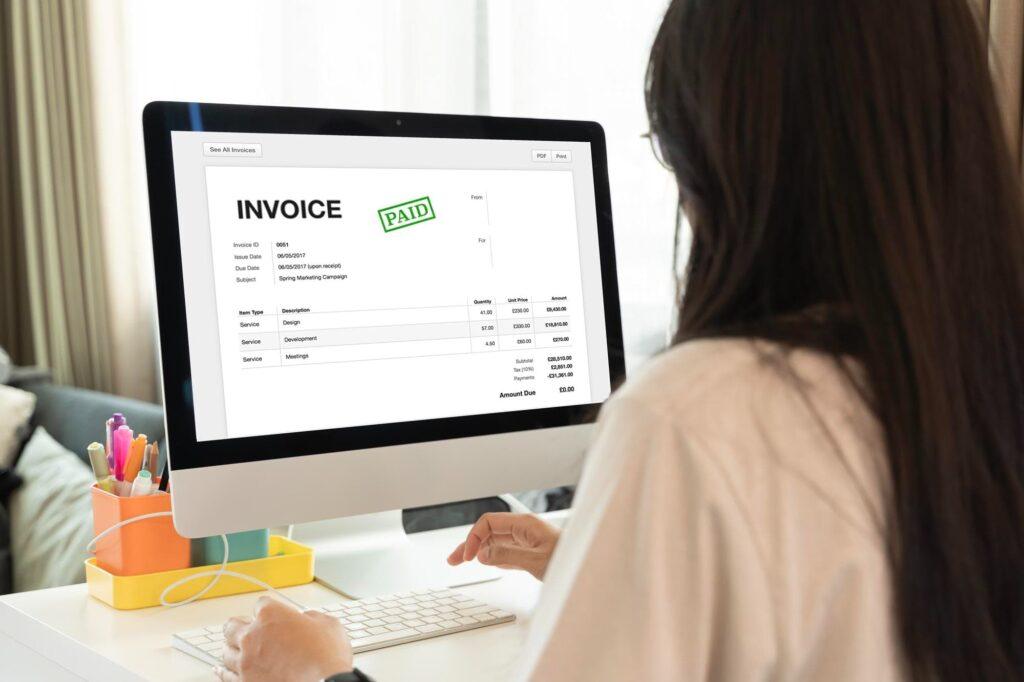
From invoicing to reporting: where the real efficiency lies
One common misconception is that e-invoicing only affects how invoices are issued. In reality, its biggest impact is on reporting and reconciliation.
When paired with a digital invoicing system, businesses can:
-
Reduce duplicate data entry
-
Align invoice records with payment data
-
Generate more accurate financial summaries
This integration helps business owners and finance teams spend less time fixing mismatches and more time understanding their numbers. Over time, cleaner data also supports better decision-making.
Addressing common concerns from small business owners
It’s natural to have reservations when adopting a new system. Some common concerns include cost, complexity, and disruption to daily operations.
In practice:
-
Many solutions are designed for SMEs, not large enterprises
-
Setup can often be completed with minimal changes to existing workflows
-
Training requirements are usually straightforward
For businesses worried about technical knowledge, choosing a solution that combines invoicing with payments and reporting can significantly reduce the learning curve—especially during the early stages of E-Invoicing in Malaysia adoption.

Frequently asked questions
Is E-Invoicing in Malaysia mandatory for all businesses?
The rollout is phased, but the direction is clear. Most businesses will eventually need to comply with LHDN’s e-invoicing requirements.
Do I need to replace my current invoicing process entirely?
Not necessarily. Many systems are designed to integrate with existing workflows, allowing businesses to transition gradually.
Is e-invoicing only about tax reporting?
No. While compliance is important, e-invoicing also improves internal efficiency, record-keeping, and financial visibility.
How long does it take to implement an e-invoicing solution?
Implementation time varies, but many small businesses can be set up within a short timeframe with the right support.
Moving forward with confidence
Adopting E-Invoicing in Malaysia does not have to be overwhelming. With the right system, small businesses can meet regulatory requirements while also simplifying invoicing, payments, and reporting in one connected process.
If you are looking for a practical way to prepare your business for mandatory e-invoicing, explore solutions that are built with Malaysian businesses in mind. Learn more about how an integrated approach can support compliance and daily operations at www.paidchain.my.