

QR pay in Malaysia: QRIS, DuitNow QR and what merchants need to know
Digital payments are now an everyday expectation across Malaysia, from cafés and clinics to service counters and market stalls. This guide breaks down how QR payments work, what QRIS and DuitNow QR are and why the difference matters for merchants. You will learn how to choose a provider, what to check before signing up, how to set up QR acceptance smoothly and how to handle common operational concerns like settlements and reconciliation. An FAQ is included to help you avoid common pitfalls when rolling out QR payments for your business.
The new checkout expectation in Malaysia
Customers want convenience and speed. For small businesses, that means reducing friction at the point of sale while keeping back office work manageable. QR payments have become a popular path because they are easy to deploy, cashless and familiar to shoppers.
If you have been hearing customers ask “can scan QR?” more often, you are not alone. In many areas of Malaysia, QR acceptance has shifted from a “nice to have” to a baseline expectation, especially for outlets with high foot traffic and time sensitive queues.
This is where QR pay in Malaysia becomes a useful operational upgrade, not just a payment feature.
QRIS vs DuitNow QR, explained in merchant terms
At a high level, both QRIS and DuitNow QR are standards that enable QR based payments. The practical difference is usually about coverage and interoperability, especially for merchants who serve travellers or cross border spend.
DuitNow QR
DuitNow QR is Malaysia’s national QR standard. It is designed to make QR payments more consistent across participating banks and e-wallets locally. For merchants, this generally translates into a QR code that works across a broad set of Malaysian payment apps.
QRIS
QRIS is Indonesia’s standard. You may hear about it in Malaysia because of cross border payment initiatives and increasing travel movement within the region. If your customer base includes Indonesian visitors, or you operate in tourist heavy zones, QRIS compatibility can be relevant.
What matters for you is not the label itself, but whether your QR acceptance method supports the wallets and banking apps your customers actually use, provides clear settlement timelines and gives proper reporting for reconciliation and accounting.
When comparing options for QR pay in Malaysia, think coverage first, then operations.

Why it matters for small merchants
Many small business owners adopt QR because it is “easy”. The real value is what happens after the first week.
A well set up QR workflow can help you shorten queues by reducing cash handling time, lower human error in giving change, improve transaction traceability for dispute handling and make daily closing and reconciliation easier.
For owners looking for a more innovative solution, it is worth evaluating not just the QR code, but the end to end payment experience: payment acceptance, tracking, reporting and payouts.
This is also where a payment platform Malaysia provider can make a practical difference if they offer clear dashboards, transaction histories and streamlined settlement reporting.
A practical setup plan that avoids common headaches
Getting QR acceptance live is often quick. Getting it stable for day to day operations takes a little more thought. Here is a merchant friendly rollout plan.
1) Decide what “success” looks like
Before you sign up, define your needs. Do you need one outlet or multiple locations, staff level tracking or a single shared QR, daily settlement or a different payout schedule and simple exports for your bookkeeper?
2) Pick the right QR acceptance method
Most providers will offer one or more of these options:
-
Static QR (printed code customers scan, then key in amount)
-
Dynamic QR (amount generated per transaction via POS or app)
-
POS integrated QR (best for higher volume, fewer manual steps)
If you have frequent small ticket transactions, dynamic QR can reduce input errors. If you are starting simple, static QR can still work well if you add basic checks.
3) Train staff on a 30 second verification habit
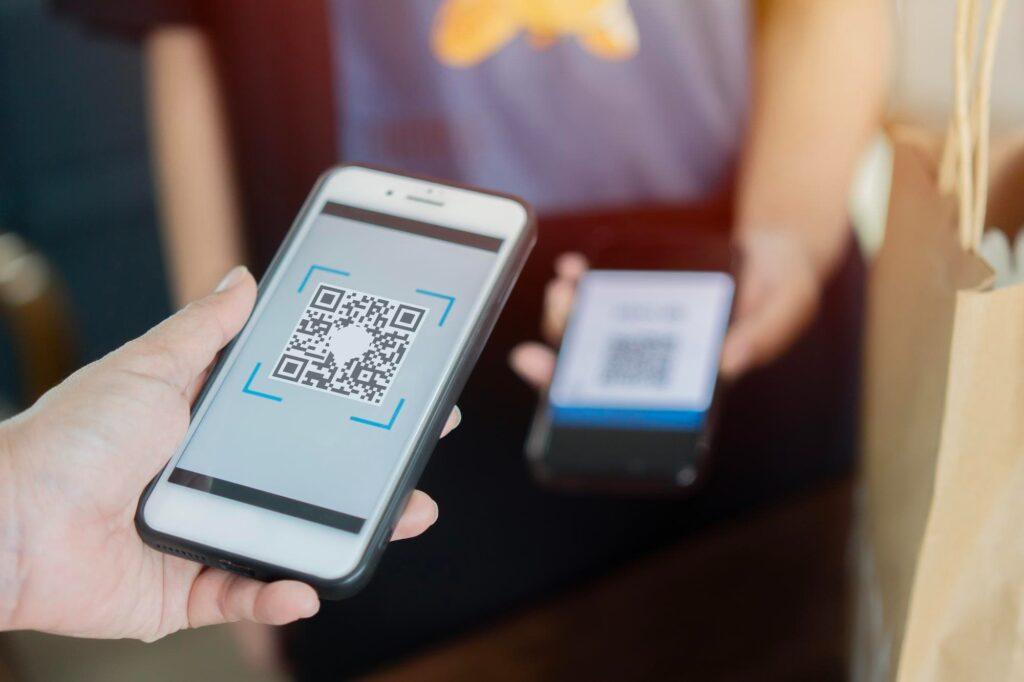
A surprisingly common operational issue is accepting a payment that was not completed. Build a simple habit: the customer shows a “payment successful” screen, staff verifies the merchant name and amount or reference, then staff confirms the record in the merchant app or terminal before handing over goods.
4) Prepare for refunds and disputes
Make sure your provider has a clear process for refund initiation steps, evidence requirements for disputes and expected timelines for reversals. This reduces stress when a customer claims they paid but your team cannot find the record immediately.
5) Set up your reporting rhythm
Even for micro merchants, a weekly rhythm helps. Export transactions, match against bank credits or settlement reports, then flag exceptions early. When QR pay in Malaysia becomes a daily volume driver, clean reporting is what keeps it from becoming an admin burden.
What to check before you choose a QR payment provider
Before you commit, focus on the factors that affect acceptance, cashflow and day to day operations in Malaysia. Start with wallet and bank coverage so your QR works with the apps customers actually use, and add cross border support if your location serves travellers. Next, confirm settlement speed by asking for the payout schedule and cut off times in writing, including how weekends or public holidays affect processing. Fees should be easy to understand, with a clear explanation of any rates, minimums, hardware costs or add ons. For operations, look closely at merchant reporting: you want searchable transactions and downloadable exports that help with reconciliation. Finally, assess support responsiveness and refund handling because these two areas determine how quickly you recover from issues, resolve disputes and keep queues moving.
Common concerns merchants raise, and what is usually true
“QR payments mean higher fees than cash”
Not always. Fees vary by provider and product. The right comparison is between total cost and operational gains, including time saved, fewer errors and faster checkout. Ask for a written breakdown.
“I will lose control over cashflow because payouts are delayed”
This depends on settlement terms. Some providers have faster settlement options. Clarify cut off times and whether weekends or public holidays affect payouts in Malaysia.
“My staff will struggle with too many payment apps”
This is a genuine concern. Many businesses solve it by using one merchant interface that consolidates acceptance and reporting, then training staff on a consistent verification flow.
“Customers will claim they paid when they did not”
This happens occasionally, especially when mobile networks are poor. A simple internal rule helps: do not treat a payment as complete until it appears in the merchant record.

FAQ
Is QR pay in Malaysia suitable for very small businesses?
Yes, especially if you want faster checkout and better transaction records. Start with a simple setup, then upgrade to dynamic QR or POS integration when volume grows.
What is the main difference between DuitNow QR and QRIS for merchants in Malaysia?
DuitNow QR is Malaysia’s standard with broad local coverage. QRIS relates to Indonesia and can matter more if you serve Indonesian visitors or operate in areas with cross border demand.
Do I need a POS system to accept QR payments?
Not necessarily. Many merchants begin with a printed static QR. POS integration can reduce errors and speed up operations if you process higher volumes or need cleaner reporting.
How do I minimise mistakes when staff confirm payments?
Use a consistent verification routine: confirm the merchant name and amount on the customer screen, then cross check the transaction in your merchant app or terminal before completing the sale.
What should I ask a provider before I sign up?
Ask about wallet coverage, settlement speed, fees, reporting exports, support channels and refund handling. These factors have the biggest impact after your first month.
Final thoughts and next step
QR payments are no longer just an add on for modern retailers in Malaysia. The most sustainable approach is to choose a solution that fits your customer mix, your daily workflow and your need for clean reporting as you scale. If you are exploring a setup that supports smoother acceptance and clearer transaction tracking, you can review options and resources at https://www.paidchain.my/.